How Attic Insulation Protects Your Roof in Winter
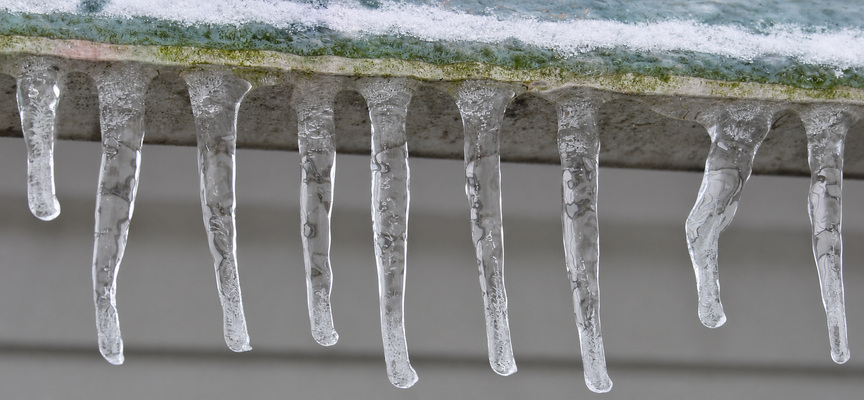
Every winter, homeowners across the Greater Toronto Area look up at their rooflines and see thick ridges of ice along the eaves. Many assume it is just part of a Canadian winter. In most cases, it is a warning that heat is leaking out of the living space and into the attic. Our team at Eco Star Home Services Co. has inspected hundreds of attics, and the pattern is consistent: when the insulation underperforms, the roof pays for it. Proper attic insulation services keep warm air inside the home where it belongs, which protects your roof, your ceilings, and your heating budget at the same time.
This guide explains how ice dams form, why heat loss is the real cause, and what a well-planned insulation upgrade looks like for homes in our service area.
How Ice Dams Form and Why Attic Insulation Services Matter
An ice dam is a ridge of ice that builds up along the lower edge of a sloped roof. It blocks meltwater from draining, so the water backs up under the shingles and finds its way into the building. The process is simple, and it begins inside the house.
The Heat Loss Cycle Behind Ice Dams
Warm air rises. In a poorly insulated home, that air carries heat through the ceiling and into the attic, where it warms the underside of the roof deck. Snow on the upper roof begins to melt, and the water runs down toward the eaves. The eaves hang past the exterior walls, so they stay cold. The meltwater refreezes there, and the ice slowly grows into a dam.
Here is what typically feeds the cycle:
- Thin, settled, or uneven insulation on the attic floor
- Air leaks around pot lights, attic hatches, and plumbing stacks
- Ductwork running through the attic without proper sealing
- Poor ventilation that traps warm, moist air under the roof
Heat escaping from the home is a common contributor, although sunlight and outdoor temperature changes can also cause snow to melt and refreeze. That is why fixing the source works better than chipping ice off the roof.
The Damage Ice Dams Can Cause
Once water backs up behind the dam, it can soak the roof sheathing, wet the insulation, and stain the ceilings below. Wet insulation loses much of its ability to resist heat flow, which makes the problem worse the following winter. Over time, trapped moisture can lead to mould, rotted framing, and peeling paint. Gutters and eavestroughs can also pull away under the weight of heavy ice.
These repairs often cost far more than a timely insulation upgrade. This is where attic insulation services deliver real value, because they address the cause instead of the symptom.
Signs Your Home May Need Attic Insulation Services
Our professionals look for a handful of clear indicators during a home visit. You can check for many of them yourself.
- Icicles that are large and heavy, especially along the entire eave
- Uneven snow melt on the roof, with bare patches over warm spots
- Rooms that feel drafty or cold in winter and hot in summer
- Heating bills that keep climbing without a change in your habits
- Visible insulation that looks flattened, damp, or thinner than the top of the ceiling joists
- Frost on the underside of the roof deck on very cold mornings
If you notice two or more of these, an inspection is a smart next step. Many homes in older neighbourhoods across Toronto, Scarborough, and North York were built when insulation standards were much lower. Some still have only a few inches of material in the attic.
What Our Team Checks Before Recommending Attic Insulation Services
Experience matters in this work because no two attics are alike. A bungalow in Oshawa and a two-storey home in Vaughan can have completely different problems, even if the symptoms look the same from the street.
Insulation Depth and R Value
R value measures how well a material resists heat flow. A higher number means better performance. According to guidance from Natural Resources Canada, upgrading attic insulation is one of the most effective ways to cut heat loss in a cold climate. You can read more in its Keeping the Heat In guide, which also covers ice dams and blown-in insulation.
For Ontario homes, many upgrades aim for around R50 or higher in the attic, depending on the structure and what is already in place. Our team measures what you have now and explains how far it falls short of that target.
Air Sealing Before Insulation
Insulation slows heat flow, but it does not stop moving air. If warm indoor air is streaming through gaps, new insulation will not fully solve the problem. Before adding material, we seal the common leak points:
- Gaps around chimneys and plumbing stacks
- Top plates of interior walls
- Openings around electrical wiring and light fixtures
- The attic hatch or access door
This step is often skipped by less thorough contractors, and it makes a noticeable difference in how well the finished job performs.
Ventilation and Moisture Control
A roof needs a steady flow of outdoor air beneath it. Soffit vents let cold air in at the eaves, and ridge or roof vents let it out at the top. This keeps the roof deck cold and dry, which helps prevent ice dams. We confirm the vents are clear and that baffles keep insulation from blocking the airflow at the eaves.
Choosing the Right Material for Attic Insulation Services
Homeowners often ask which product is best. The honest answer depends on the attic, the budget, and the goals for the home.
Blown-In Insulation for Irregular Attic Spaces
Blown-in fibreglass is a popular choice because it fills gaps and wraps around obstacles that batts cannot reach. It spreads evenly across the attic floor, including around joists, wiring, and tight corners. That consistency helps reduce cold spots, which matters when you are trying to stop uneven snow melt on the roof.
Our company often recommends blown-in fibreglass for attics that need a deep, uniform layer. It is also a practical option when the existing insulation is old but still dry and in decent shape, since new material can be added on top after air sealing is complete.
Batt Insulation and When It Still Works
Batts are pre-cut sections that fit between joists. They can work well in new construction or in simple, open attics. The challenge in retrofit projects is that batts often leave small gaps and compressed areas, and every gap becomes a path for heat. Where a batt installation is already in good condition, we may suggest topping it with blown-in material to reach the target R value.
Cellulose and Fibreglass Compared
Both materials perform well when installed correctly. Fibreglass is lightweight, resists moisture, and does not settle as much over time. Cellulose is made largely from recycled paper and offers strong coverage in hard-to-reach spaces. Our team explains the trade-offs for your home so the choice is clear and based on your attic, not a sales script.
Why Experience Counts With Attic Insulation Services
Insulation looks simple from the outside, but the quality of the work shows up years later. Poor coverage, blocked vents, or missed air leaks can leave a homeowner paying for a job that never delivers the comfort they expected.
Eco Star Home Services Co. is a trusted name for homeowners who want honest advice and tidy workmanship. Our crews are trained to protect your property, document the work, and explain every step in plain language. Because we also handle heating and cooling, we understand how insulation affects furnace runtime, heat pump performance, and air conditioning loads. That whole-home view helps us avoid advice that fixes one problem and creates another.
Here is what homeowners can expect when they work with us:
- A clear inspection of insulation levels, air leaks, and ventilation
- Straightforward recommendations with no pressure
- Careful installation with attention to baffles, hatches, and recessed lights
- A final walkthrough so you can see what was done
Seasonal Timing and Planning for Attic Insulation Services
Many homeowners wait until the first ice dam appears before calling. We understand why, but fall is the ideal time to plan an upgrade. Attics are safer and more comfortable to work in, and the improvements are ready before the heavy snow arrives. Even so, winter is still a good time to book an inspection. Ice dams show us exactly where the heat is escaping, which helps us pinpoint the problem areas.
If you already have ice dams, remember that insulation is a long-term fix. Short-term steps, like safely clearing roof edge snow with a roof rake from the ground, can reduce the load while the real solution is planned. Avoid climbing onto an icy roof or using sharp tools on shingles, since both can cause injury or damage.
Benefits Beyond the Roof
A properly insulated attic does more than prevent ice. Homeowners usually notice several improvements:
- More even temperatures from room to room
- Lower heating demand, which can reduce energy bills
- Less strain on the furnace or heat pump
- A quieter home, since insulation dampens outdoor noise
- Better summer comfort, because the attic radiates less heat into the living space
Our team serves homeowners in Markham, Scarborough, Toronto, North York, Vaughan, Richmond Hill, Maple, King City, Ajax, Whitby, Pickering, Oshawa, Aurora, Newmarket, Uxbridge, Barrie, Oakville, and East Gwillimbury. Whether your home is a century old or only a few years in, the same principles apply: seal the air leaks, add the right depth of insulation, and keep the roof ventilated.
Conclusion
Ice dams are not just a winter nuisance. They are a visible sign that valuable heat is leaving your home and putting your roof at risk. The most reliable solution is a complete approach that combines air sealing, the right insulation depth, and proper ventilation. With that in place, snow melts evenly, water drains as it should, and your heating system no longer works overtime.
If you would like a professional opinion on your attic, the team at Eco Star Home Services Co. is ready to help. Please contact us to book an inspection and take the first step toward a warmer, drier, and more efficient home this winter.