Complete Indoor Pollutant Removal with Air Filtration Systems
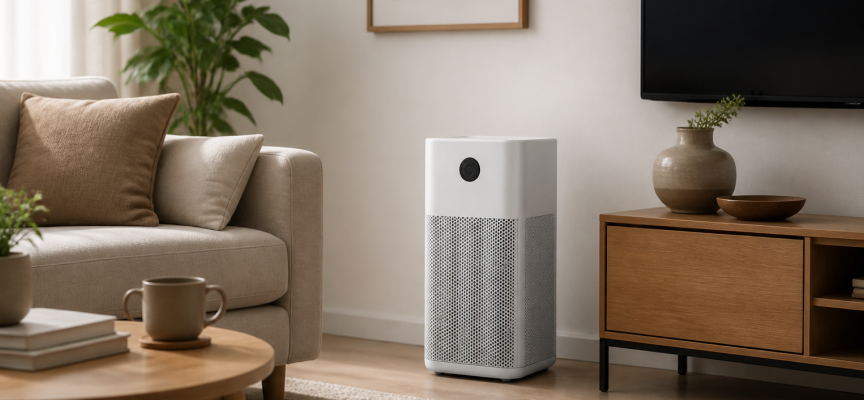
For homeowners in Markham, indoor air quality can become a concern when dust, allergens, odours, and other airborne contaminants build up inside the home. We invest heavily in the aesthetics and comfort of our living spaces, yet the most critical component of a healthy home often remains invisible to the naked eye: the air we breathe. The reality is that the air inside a modern, energy-efficient home can be significantly more polluted than the outdoor air, a phenomenon driven by everything from volatile organic compounds (VOCs) off-gassing from new furniture to the accumulation of dust mites, pet dander, and mould spores within a sealed envelope. Poor indoor air quality can contribute to discomfort and may aggravate symptoms for people who are sensitive to dust, allergens, smoke, or other airborne contaminants. The complete removal of these indoor pollutants is not achievable through a single action. It demands a multi-layered strategy, anchored by the deployment of high-performance air filtration systems.
At Eco Star Home Services, we have moved beyond the basic rhetoric of air purification. We focus on a clinical, engineering-based approach to IAQ, or Indoor Air Quality. We look at more than particle filtration alone. Depending on the home and equipment, indoor air quality solutions may also help reduce certain biological contaminants, odours, and gases. This requires comprehensive air filtration systems that combine mechanical filtration, advanced technologies, and strategic placement to establish a truly healthy indoor environment. Without this integrated approach, homeowners are often left with a placebo effect rather than a tangible improvement in their air quality.
Understanding the Spectrum of Indoor Contaminants
To improve indoor air quality, it helps to understand the types of contaminants that may be present and which filtration or ventilation methods can address them.
The contaminants found in a typical Markham home can vary, but common concerns include dust, pollen, pet dander, mould spores, fine particles, and certain gases or odours. These pollutants can be broadly categorised into three primary groups:
- Particulate Matter (PM): This includes microscopic solids or liquid droplets suspended in the air. Common examples are dust, pollen, mould spores, and the infamous PM2.5 particles, fine particles that are small enough to penetrate the deepest recesses of the lungs. These are often generated by combustion sources like cooking, candles, or even a fireplace.
- Biological Contaminants: This category encompasses bacteria, viruses, and allergens such as dust mite faeces and pet dander. During colder months in Markham, homes are often kept closed for longer periods, which can reduce natural air exchange and allow indoor contaminants to build up if ventilation and filtration are inadequate.
- Volatile Organic Compounds (VOCs): These are gases emitted from certain solids or liquids. They include a variety of chemicals, some of which may have short- and long-term adverse health effects. Sources are abundant in the modern home and include paints, cleaning supplies, building materials, and even air fresheners.
The Critical Role of Advanced Air Filtration Systems
The modern home requires a defence system that addresses all three categories of pollutants. This is where professional-grade air filtration systems differ fundamentally from the portable, consumer-grade units found in big-box stores. A whole-home filtration system can work with the HVAC system to filter air as it circulates through the home. Portable units may still be useful for individual rooms, while a whole-home approach can provide broader coverage where the HVAC system and filtration equipment are compatible.
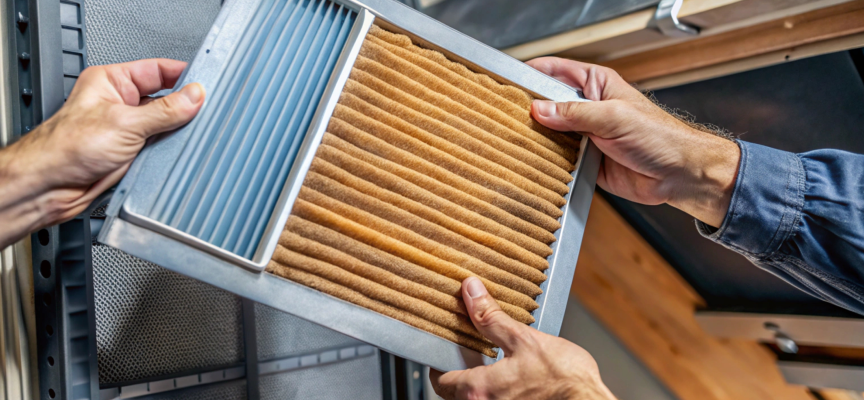
Different filtration technologies address different indoor air quality concerns. The appropriate combination depends on the contaminants present, the HVAC system, and the homeowner’s priorities. For example, a high-efficiency MERV (Minimum Efficiency Reporting Value) 13 or 16 filter can capture upwards of 90% of airborne particles, from pollen to microscopic mould spores. This is the first line of defence in any robust air filtration system.
Beyond Mechanical Filtration: The Power of UV-C and Carbon
While mechanical filtration is essential for capturing particulates, it is less effective against VOCs and living biological contaminants like bacteria and viruses. This is why a layered approach is imperative. The next tier in a comprehensive IAQ strategy involves integrating UV-C germicidal lamps and high-quality activated carbon filters.
- UV-C Light: This technology uses short-wavelength ultraviolet light to neutralise the DNA of microorganisms. When installed within the HVAC system’s air handler, Properly designed UV-C systems may help reduce microbial growth on HVAC components and can inactivate certain microorganisms under suitable operating conditions.
- Activated Carbon: Activated carbon filters can help reduce certain odours, gases, and volatile organic compounds, depending on the filter design, amount of carbon, airflow, and contaminant involved. The carbon is treated to have a highly porous surface area, which adsorbs VOCs, smoke, and chemical fumes. This is critical in new homes or renovated spaces where off-gassing is prevalent.
The combination of a high-MERV filter for particulates, UV-C for biologicals, and carbon for chemicals ensures a holistic air purification cycle.
Energy Efficiency vs. Air Quality
Many newer and renovated homes in Markham are built or upgraded to reduce unwanted air leakage and improve energy efficiency. This is achieved through tighter building envelopes, better insulation, and improved weather stripping. While this is excellent for reducing heating and cooling costs, it has a significant drawback, it dramatically reduces the rate of natural air exchange. Essentially, we are building homes that are highly effective at trapping air, and the pollutants within it.
According to Health Canada’s guidelines on residential indoor air quality, the inability of a home to ‘breathe’ can lead to a build-up of contaminants to levels that exceed safe outdoor concentrations. To resolve this, we must move away from relying on window cracks for ventilation and move toward a controlled, mechanical approach. Filtration and ventilation serve different purposes. Filtration helps remove certain contaminants from recirculated indoor air, while ventilation systems such as HRVs can bring in outdoor air and exhaust stale indoor air. They work in tandem with HRVs (Heat Recovery Ventilators) to bring in fresh outdoor air while simultaneously filtering and purifying the recirculated indoor air. This synergy allows homeowners to maintain a tight, energy-efficient thermal envelope without sacrificing the health of their indoor environment.
An Engineering Approach to IAQ with Eco Star Home Services
Improving indoor air quality usually requires more than simply installing a higher-efficiency filter. The right approach may involve filtration, ventilation, humidity control, source control, or a combination of measures. It requires a professional audit and precision engineering. Eco Star Home Services can assess the home’s HVAC setup, filtration needs, airflow, and indoor air quality concerns before recommending an appropriate solution. This involves evaluating the overall volume of the space, the layout of your ductwork, the specific pollutants present, and your household’s unique vulnerabilities, such as allergies or chemical sensitivities.
A common oversight is installing a filter with a MERV rating that is too high for the system to handle. An overly restrictive filter can cause static pressure issues, leading to reduced airflow and potential strain on the blower motor. Our experts perform detailed calculations to ensure that the selected air filtration systems are matched precisely to your equipment’s specifications and your IAQ goals. Furthermore, we emphasise the importance of regular maintenance. A filtration system is only as effective as its cleanest component. We provide structured maintenance protocols to ensure that filters are changed on schedule and UV lamps are replaced annually to maintain peak performance.
Conclusion
Reducing indoor air pollutants can support a cleaner and more comfortable home, but no single filtration system can completely remove every contaminant. The invisible particles and gases that circulate through our living spaces have a cumulative effect on our health, productivity, and overall quality of life. While the challenge of modern, airtight construction has exacerbated the issue, technology provides the solution. A combination of mechanical filtration, ventilation, UV-C where appropriate, and activated carbon may help address different types of indoor air quality concerns.
Eco Star Home Services helps Markham homeowners understand their indoor air quality concerns and choose filtration or ventilation solutions that are compatible with their home and HVAC system. If you are concerned about indoor air quality, Eco Star Home Services can help assess your HVAC system and recommend filtration or ventilation options suited to your home. Protect your home by taking control of your air quality. Contact us today and implement a certified strategy for a truly healthy indoor environment.